Rodent Droppings Cleanup: A Practical Guide for Homeowners
Understanding the Risks of Rodent Droppings
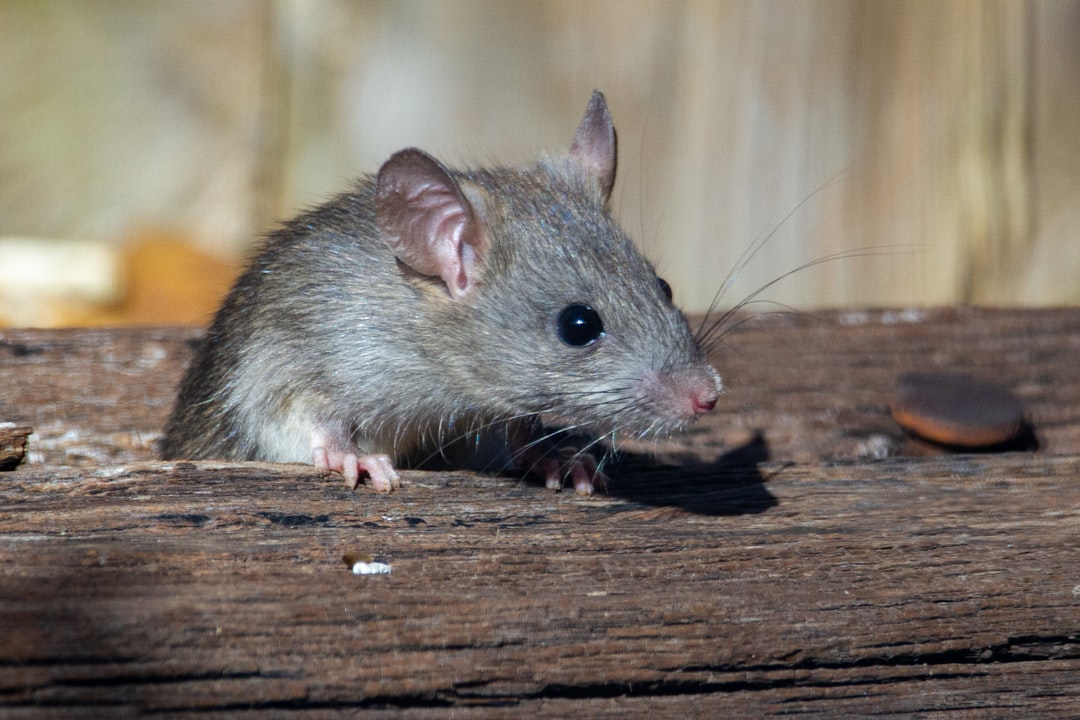
Finding rodent droppings in your attic, basement, or garage is more than just an unsettling sight. It is a clear sign that pests have moved in, and it also signals a serious health hazard. Mice and rats can carry diseases like Hantavirus, Salmonella, and Leptospirosis, which can spread through their urine, saliva, and droppings. In Cleveland TN, where seasonal changes push rodents indoors, many homeowners face this issue. From personal experience, I have seen how quickly a small problem can grow if the cleanup is handled without proper precautions.
Rodents are not just a nuisance. Their droppings can dry out and become airborne, releasing particles that you can inhale. That is how Hantavirus spreads, and it can be fatal. Salmonella and Leptospirosis are also risks, especially if droppings contaminate food or surfaces. That is why rodent droppings cleanup must be done with care. It is not a task to rush through with a broom and dustpan. You need the right approach to protect yourself and your family.
Start with Safety: What You Need Before You Clean
Before you touch anything, gather your gear. The CDC recommends wearing an N95 respirator to filter out harmful particles. Standard dust masks are not enough, because they do not seal well. You also need plastic gloves to avoid direct contact with droppings. I always keep a pair of heavy-duty gloves on hand, because thin ones can tear. A spray bottle filled with a bleach solution is essential. Mix one part bleach to nine parts water. This kills viruses and bacteria before you disturb the droppings.
You will also need trash bags for disposal, a HEPA vacuum for final cleanup, and sealant or steel wool to block future entry points. Do not skip the N95 respirator. I have seen people assume a quick sweep is fine, only to stir up dust and breathe it in. That is a risk not worth taking. The goal is to contain the mess, not spread it.
The Step-by-Step Process for Rodent Droppings Cleanup
Start by airing out the area. Open windows and doors for at least thirty minutes before you begin. Then, using your spray bottle, mist the droppings and surrounding surfaces with the bleach solution. Let it soak for five minutes. This step is critical because it dampens the droppings and neutralizes pathogens. Do not spray so much that you create puddles, but enough to saturate the area.
Now, use paper towels or disposable cloths to wipe up the droppings. Place them directly into a trash bag. Avoid sweeping or vacuuming dry droppings, because that sends particles into the air. Once you have removed all visible waste, go over the area with a HEPA vacuum. Standard vacuum filters can release particles back into the room, but a HEPA vacuum traps them. I recommend vacuuming twice, going in different directions to catch everything.
Finally, disinfect the area again with your bleach solution. Wipe down all hard surfaces, including floors, shelves, and baseboards. Dispose of your gloves and paper towels in a sealed trash bag. Wash your hands thoroughly with soap and water, even though you wore gloves. This process is the safest way to handle rodent droppings cleanup, and it reduces the chance of illness.
Why Rodent Droppings Cleanup Requires More Than Just Cleaning
Cleaning the droppings is only half the battle. The real solution is keeping rodents out. If you do not seal their entry points, they will return, and you will be back at square one. I have walked through homes where people cleaned up weekly but never fixed the holes. It is exhausting and ineffective. After you finish the cleanup, inspect your attic, basement, garage, and any crawl spaces. Look for gaps around pipes, vents, and doors. Rodents can squeeze through openings as small as a quarter-inch.
To seal these gaps, use steel wool combined with a caulking gun. Stuff steel wool into the hole, then cover it with caulk or sealant. Rodents cannot chew through steel wool, so it works as a long-term barrier. For larger gaps, you might need hardware cloth or metal flashing. Pay special attention to areas where utilities enter the house. Those are common entry points. I once found a hole behind a washing machine where mice had been coming in for months.
Tools and Methods for Long-Term Control
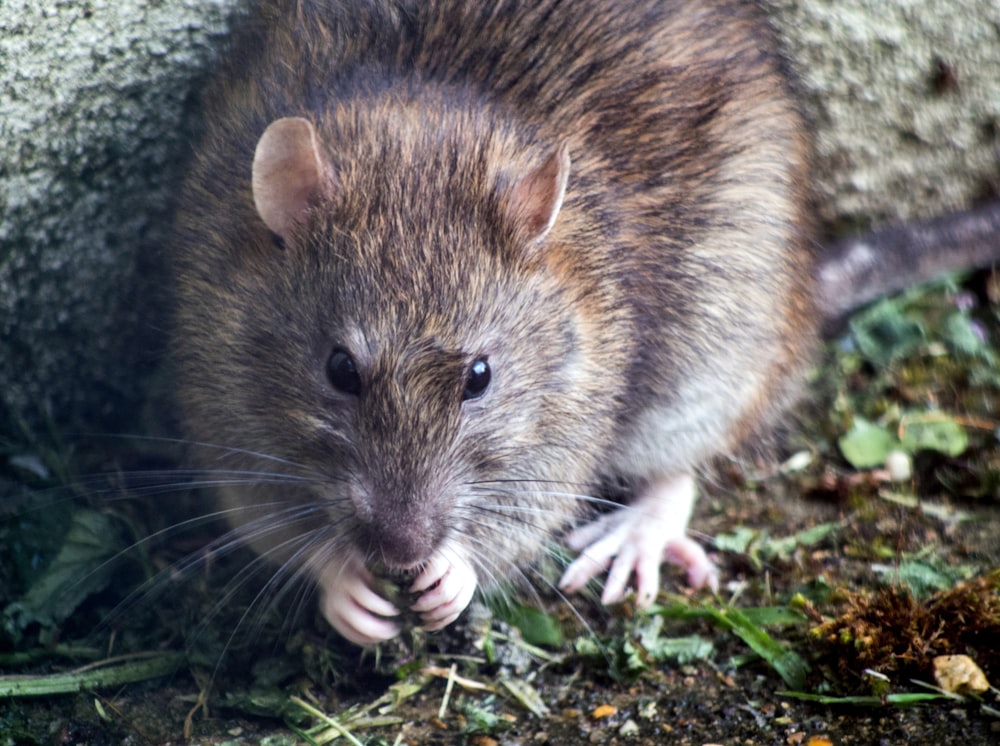
Beyond sealing, you may need to reduce the rodent population already inside. Snap traps are effective and humane when placed correctly. Bait them with peanut butter and set them along walls, because rodents run close to edges. Avoid using rodenticide inside your home. Poisoned rodents can die in walls or attics, creating odor and fly problems. If you use rodenticide outside, place it in tamper-resistant bait stations to protect pets and wildlife.
Rodent droppings cleanup should become part of a broader prevention plan. Check your home regularly for new signs of activity. Early detection saves you from larger infestations. In Cleveland TN, where the climate can drive rodents indoors during cold snaps, staying ahead of the problem is key. I recommend a seasonal inspection in fall and spring.
What Not to Do During Cleanup
Some common mistakes can make the situation worse. Do not vacuum dry droppings with a regular vacuum. That aerosolizes the particles. Do not use bleach on porous surfaces like carpet or wood without testing first, because it can cause damage. Do not mix bleach with ammonia or other cleaners, because that creates toxic gas. And do not ignore droppings in hidden areas like behind appliances. I have seen people clean a visible pile but miss the nest behind the fridge. That nest can harbor disease and attract more rodents.
When to Call a Professional
If the infestation is large, or if you find droppings in hard-to-reach spaces like a crawl space or attic, consider hiring a pest control expert. Professionals have the tools and experience to handle extensive rodent droppings cleanup safely. They also know how to identify all entry points and recommend structural repairs. In Cleveland TN, services like Hiwassee Pest Control focus on trapping, exclusion, and prevention, which covers the full cycle of the problem. A professional can also advise on whether your insulation or drywall needs to be replaced if it is contaminated.
Final Thoughts on Staying Safe
Rodent droppings cleanup is not glamorous, but it is necessary. The health risks are real, and the work requires patience. By using the right equipment like an N95 respirator, plastic gloves, and a HEPA vacuum, you can protect yourself. By sealing entry points with steel wool and a caulking gun, you can prevent future problems. And by staying vigilant, you can keep your home safe.
Remember, the goal is not just to clean up after the rodents, but to make your home unwelcoming to them. That means blocking their paths, removing food sources like open trash or pet food, and keeping basements and garages dry. With a methodical approach and the right tools, you can handle this task without putting your health at risk.